TL;DR
I found that Anthropic gives its own models, but not competitors' models, access to a feature called MCP servers in Claude Code. As Anthropic releases similar products for larger markets, this will become an enforcement target for the European Commission under the Digital Markets Act.
Background
Vertical integration is often an explicit goal for software companies, but it poses unique threats to interoperability. In the EU, the Digital Markets Act (DMA) protects this interoperability from huge companies called gatekeepers. Under Article 6(7), a gatekeeper must provide the same features to its business users, which sell their hardware or software products through its platform, as it does to its own products. This stops gatekeepers from monopolizing one vertically adjacent market through market power in another.
Anthropic already meets the qualitative requirements to become a gatekeeper, and will likely meet the quantitative requirements within the next two years1. It is starting to control the distribution of AI models, creating interoperability problems that will evolve into DMA enforcement targets.
While it began by simply by developing large language models (LLMs), Anthropic is expanding to distribute LLMs in more ways. In early 2025, it released Claude Code. Code acts as an intermediary between models and end users—it gives any model it's connected to read and write access to the files on a user's computer. While Claude Code was initially designed for coders, it has since been adapted for many different kinds of knowledge work, from research to sending emails to file creation. Anthropic is constantly releasing more ways for users to interact with LLMs, from a plugin that operates a user's computer to a screenless smart speaker.
Anthropic blocks interoperability with other LLMs on its model distribution products. For example, Claude Code gives Anthropic models, but not competing models, access to AI-operable apps, called MCP servers. When Anthropic releases similar tools for mass markets, this problem will serve as a target for DMA regulation.
DMA compliance
Claude Code's biggest interoperability issues, and its victories, mirror some of the findings of the EC's Alphabet specification proceedings from July 2026. I bought a Claude Pro subscription and used it with DeepSeek and OpenAI models to demonstrate this.
Installation
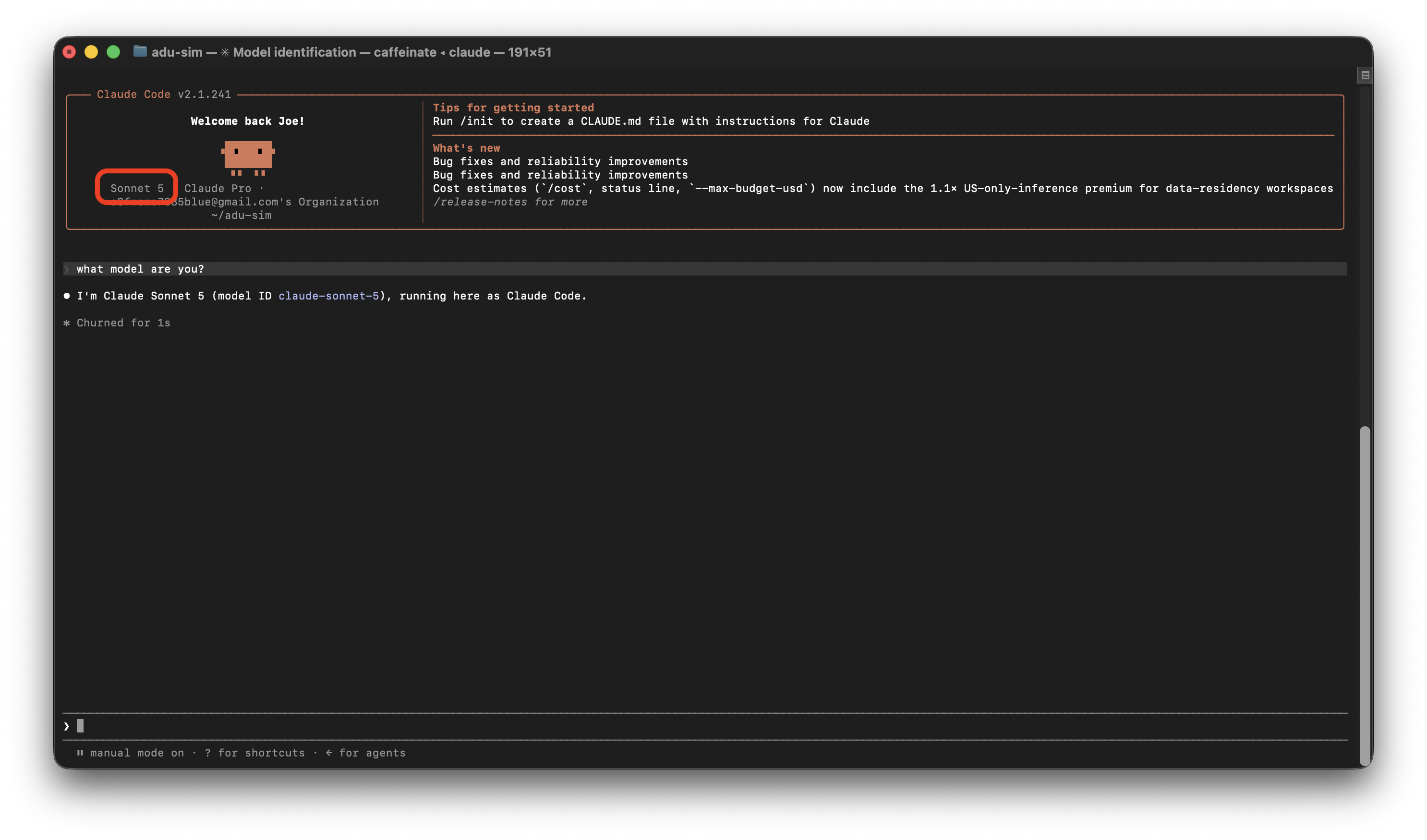
Anthropic allows users of Claude Code to install practically any model, which may be cheaper, more powerful, or safer than its own models. By default, responses come from Claude Sonnet 5.
Some models work directly in place of Sonnet. Anthropic publicly exposes its Messages API documentation, which allows companies like DeepSeek to mimic the format of Claude's responses in their own APIs. By entering an API key from DeepSeek into my /.zshrc file, I can switch models:
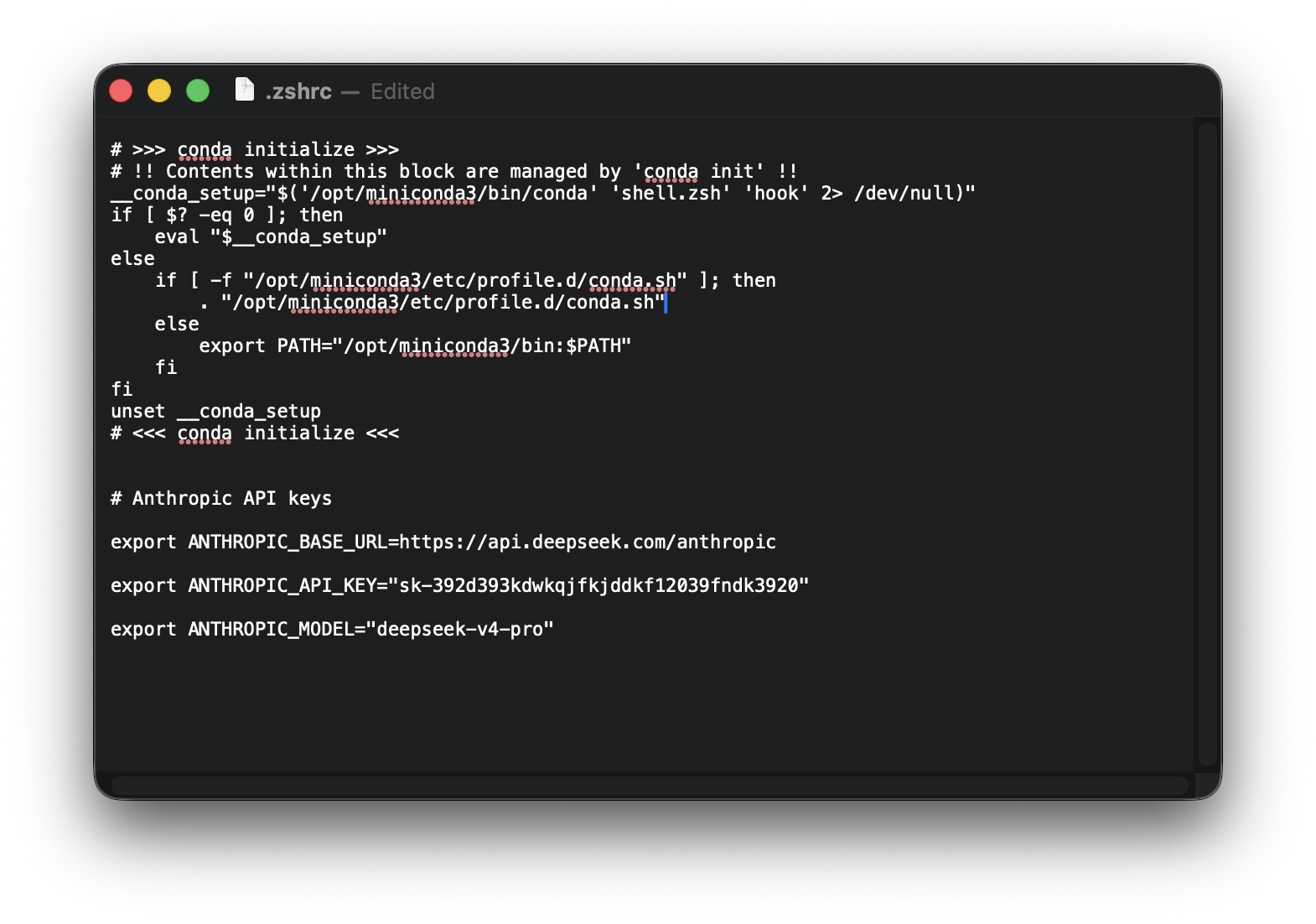
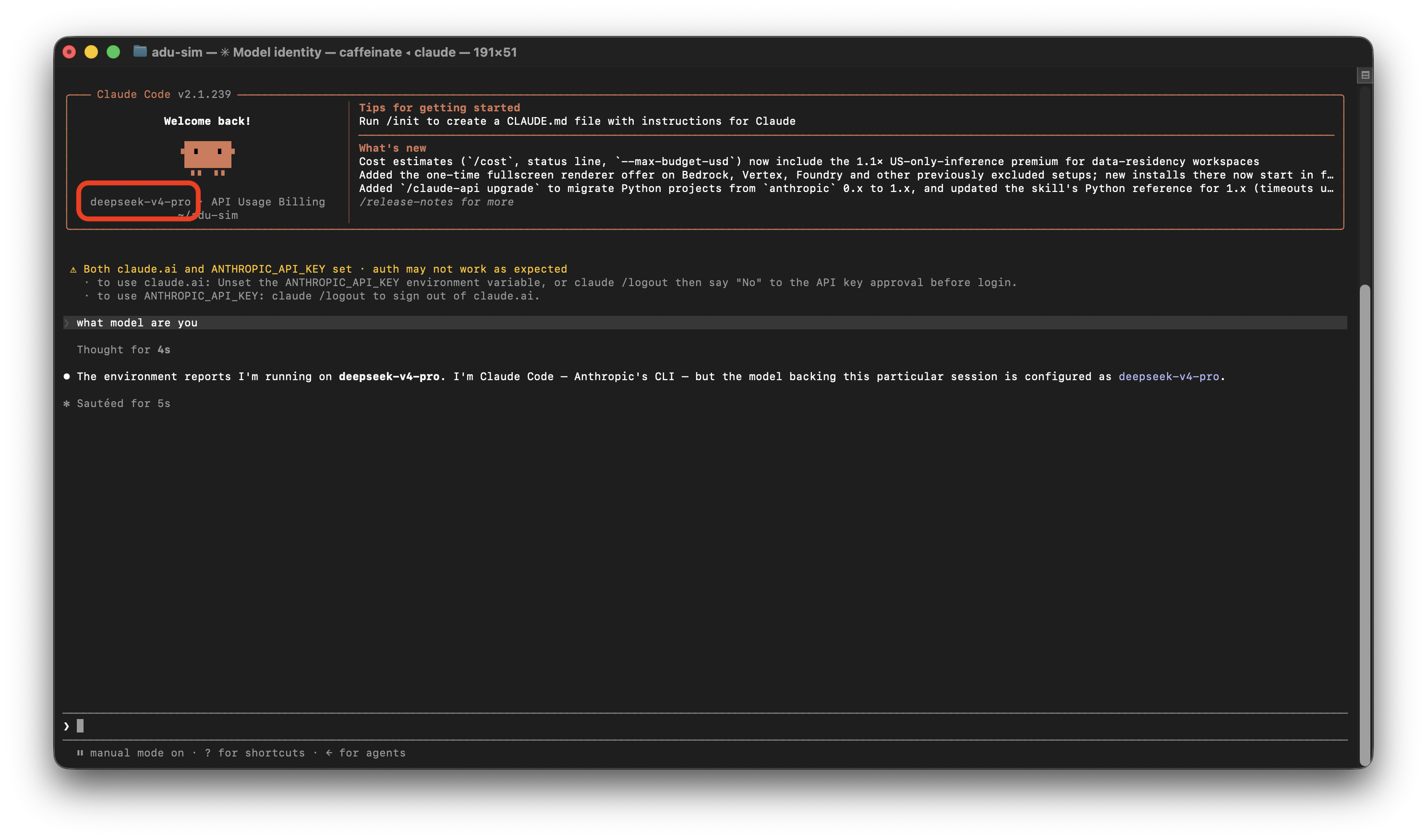
Now, my responses come from DeepSeek.
MCP server access
The biggest interoperability issue with Claude Code and other models is MCP server access. MCP servers connect AI models to external tools, like Google Drive, Github, or The Weather Channel. Although they are an open-source standard, MCP servers were developed by Anthropic, and they are one of Claude's biggest assets. However, Anthropic doesn't give competing models access to the servers a user has set up, vastly reducing their functionality.
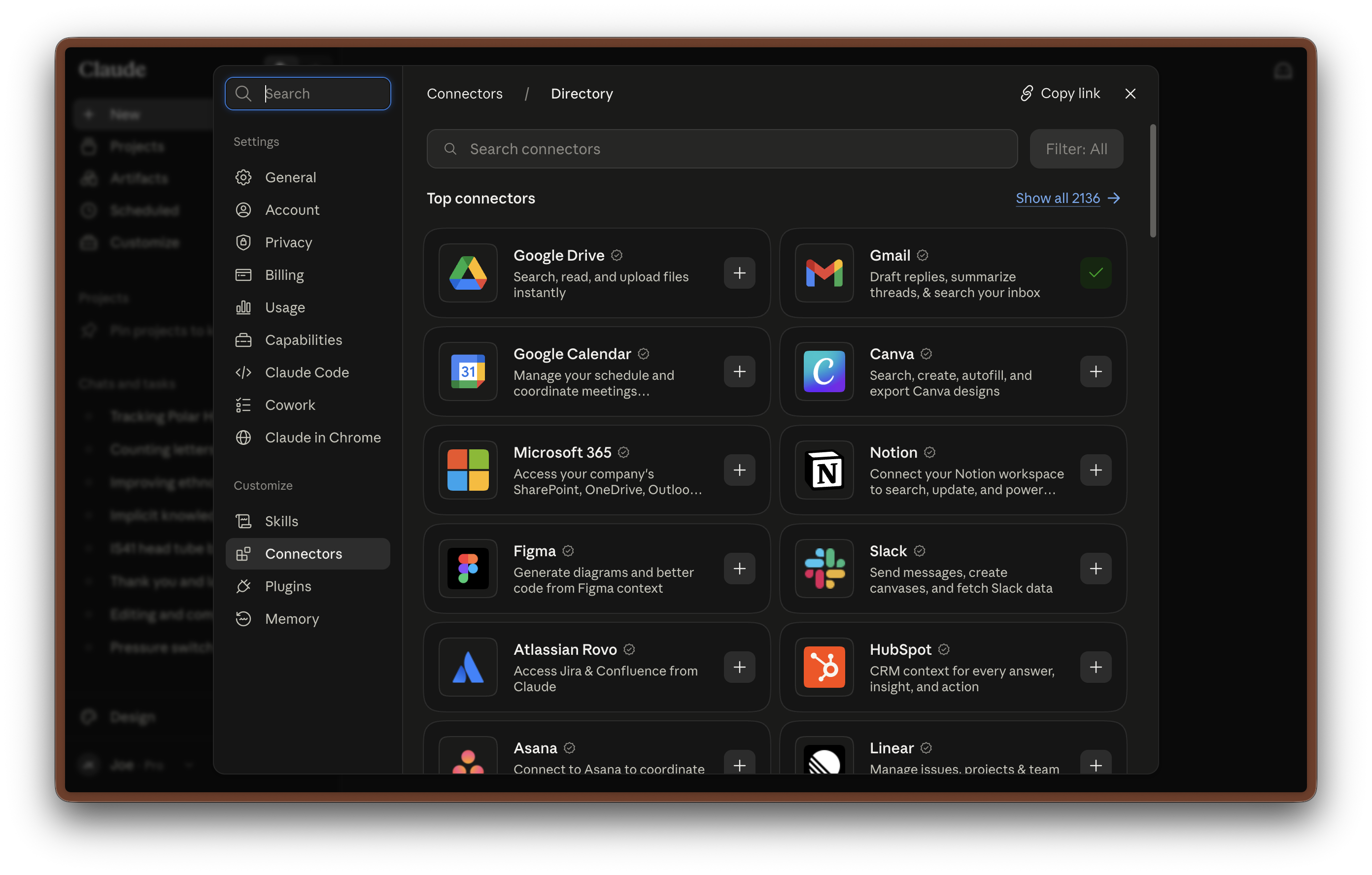
MCP servers can be set up on the Claude website. In Claude's settings, I can search for connectors to thousands of other services I already use, like Gmail or Strava, and give Claude permission to use them.
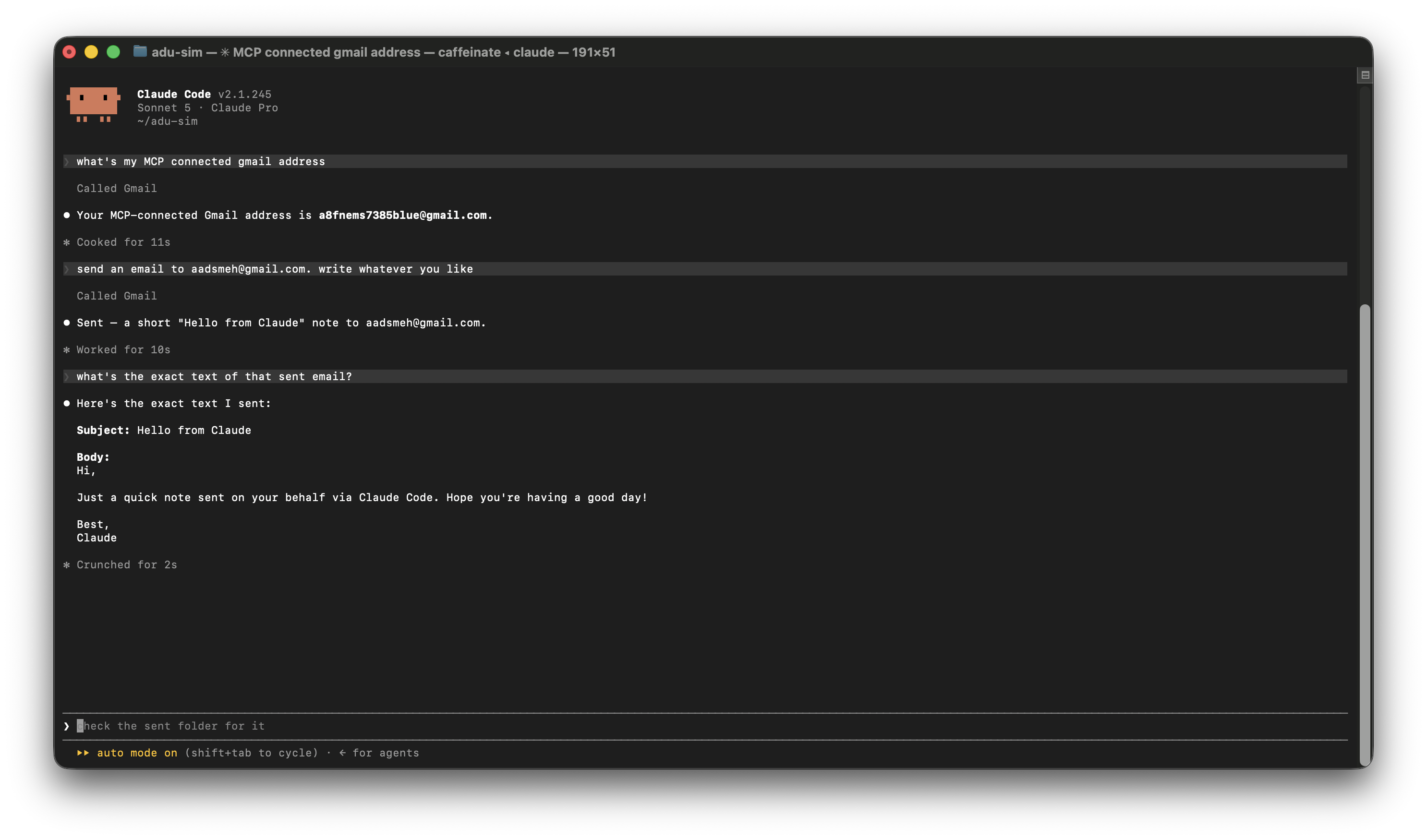
Using Sonnet 5 on Claude Code, I can immediately use these servers. For example, I can ask Claude to send an email on my behalf.
But when I switch to a different model, the Gmail connection no longer works.
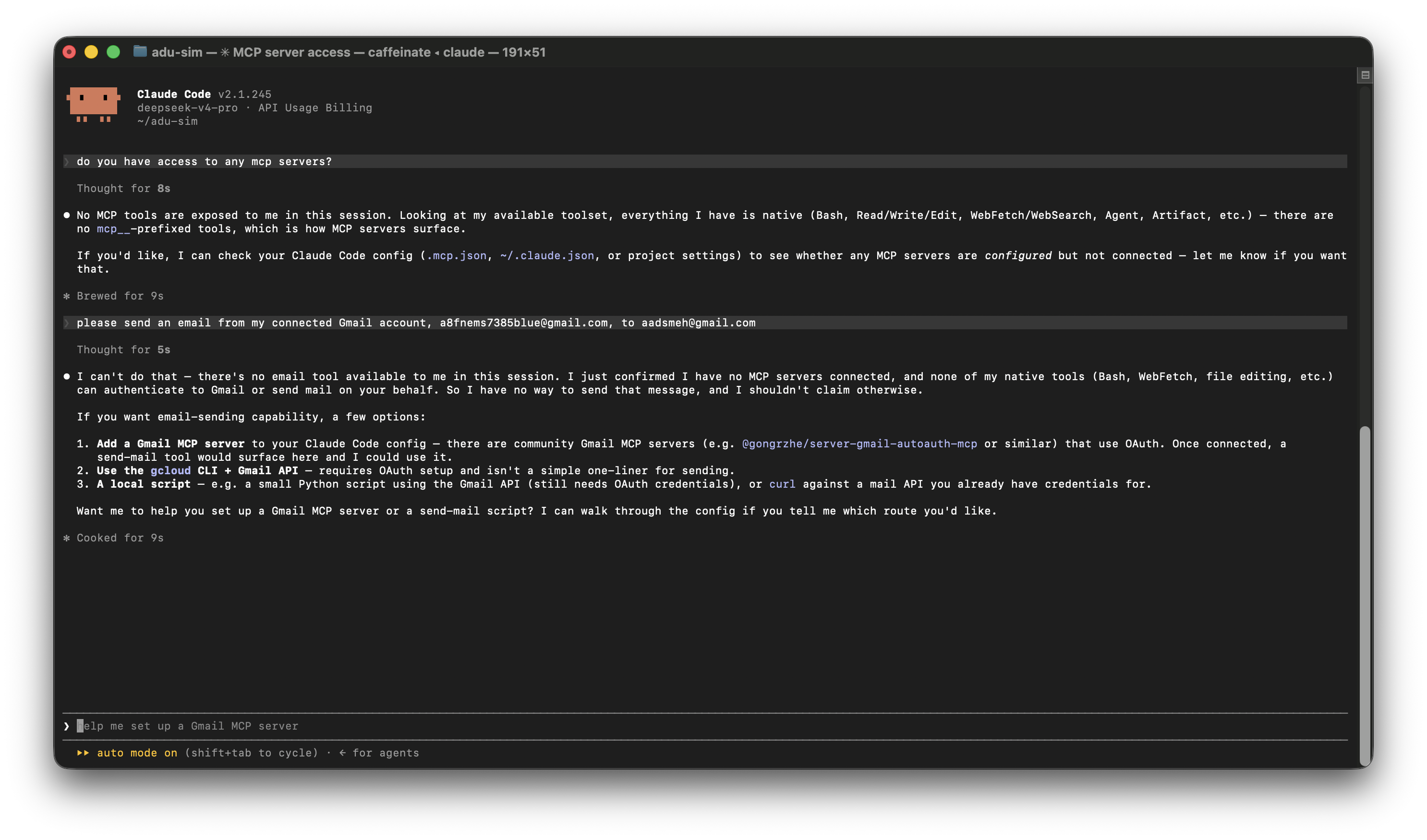
Competing models in Claude Code are far less useful to an end user than Anthropic models are. Internally, I've granted Anthropic access to Gmail with an authentication token, but Claude Code is passing my prompts to DeepSeek without that token. As a result, DeepSeek does not have access to Gmail. A user can set up all of their connections again with DeepSeek through local MCP servers, but because their MCP servers are already accessible through every Anthropic product, they're heavily incentivized to use Claude models.
Anthropic doesn't provide third-party models the same features as it does its own models.
Regulatory recommendations
Because Anthropic isn't yet a gatekeeper, the interoperability limits Anthropic places on MCP servers are not DMA breaches. However, future mass-market products from Anthropic will be built on Claude Code, and they will likely contain the same MCP server incompatibility. Without regulation, Anthropic's power over the AI tools market will allow it to maintain dominance over the AI model market.
Still, there is recourse. In the Alphabet specification proceedings, the EC determined that Google gives its Gemini model, but not competitors' models, access to on-device actions. Google needed to fix this in the EU to comply with the DMA.
Similarly, Anthropic does not give competitors access to actions accessible through MCP servers. As Anthropic grows into a gatekeeper, the Commission can use the Alphabet proceedings as a blueprint to preserve interoperability between AI tools and AI models.
Some potential enforcement strategies:
- Specification proceedings, much like the Alphabet ones, where Anthropic is directed to give other models MCP access
- Notifications of noncompliance
- Technical discussions, where the Commission and Anthropic discuss how to transfer MCP authorization tokens to third-party models.
With equal MCP server access through the DMA, Anthropic's competitors will be able to make their models equally useful to end users.