Blood sample dropoff

Many medical appointments are about blood test results. With new capillary blood collection devices like Tasso or RedDrop, people can take these blood tests at home. This vastly increases convenience and reduces the number of people who skip blood tests.
After collection, while these devices can sometimes be picked up from home, there are limitations—they can't stay in hot environments like mailboxes or USPS collection boxes—so their users often need to take them to shipping centers or clinics like Labcorp or Quest. But this defeats the purpose. If you're going to drop off a blood sample anyways, why not let the experts take it at an actual clinic? It also requires huge staffing overhead: Labcorp and Quest have ~9000 locations across the US, with many workers who primarily take samples. These costs are passed onto customers.
Pipedream can help. Users could drop off blood samples at Pipedream portals, which will then be transported to shipping distributors or to labs for analysis. This automates and depersonalizes sample collection. There's precedent for this—the NHS in the UK tapped Wing to ferry blood samples between hospitals. Pipedream would be even better, increasing range and reducing costs for repeated routes.
Blood sample delivery would help Pipedream expand its network. As at-home sample collection grows, it'd justify adding routes and portals to residential areas everywhere, opening up the field to other applications.
Corporate parks and campuses
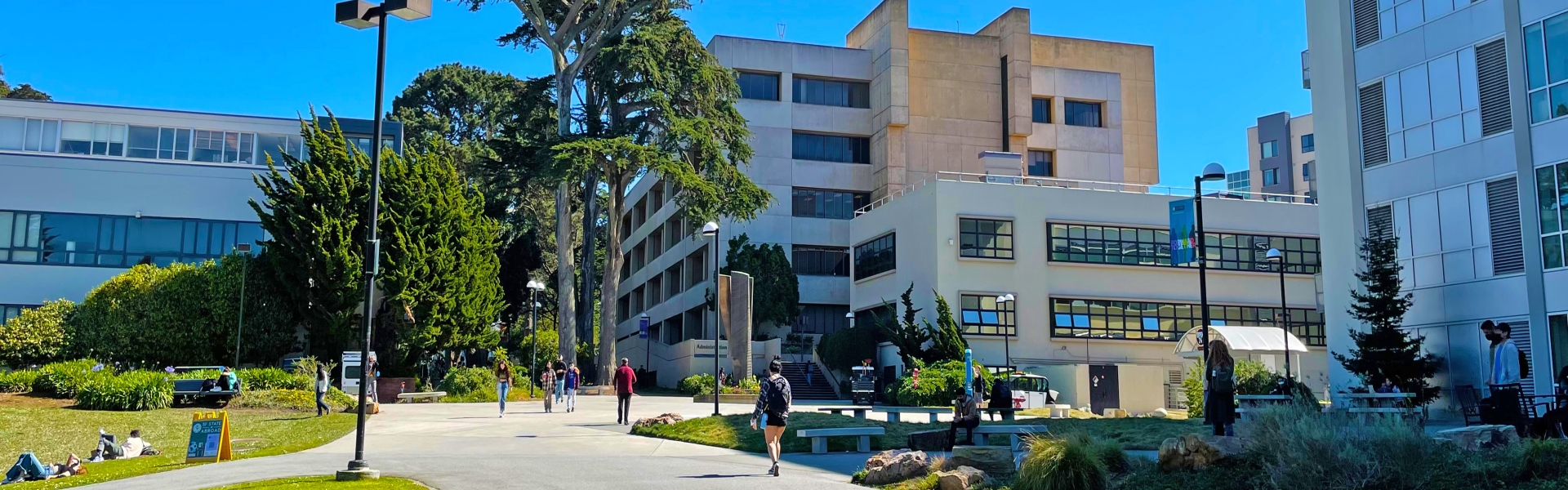
Employees at corporate parks and campuses need to move stuff around. When I worked as a lab manager at Stanford, one of my main responsibilities was hopping on my bike and balancing mouse brains and spinal cords on my handlebars, ferrying them from the dissection lab to the imaging lab. At other companies, it's still faster to send someone terabytes of data by giving them a hard drive than by uploading it to the cloud. In the Bay Area, where many of my friends work in Big Tech, they order Doordash/UberEats on their lunch breaks. But they often have to run to the edge of campus to pick up their food, since delivery drivers can't drive into their walkable, enclosed corporate campuses. These approaches take manual effort and have a high likelihood of something going wrong.
Self-contained Pipedream networks in corporate parks would solve this beautifully, moving stuff around with minimal human input. Pipedream could design a bespoke route map for a campus based on a quick traffic study, and build it with the company's financial backing. The edges of the campus might have portals for pickup and dropoff from outside. At these campuses, zoning and land use regulations are often relaxed, which cuts down on build time and cost.
Networks at corpo parks would also serve as a good testing ground for Pipedream. You could test novel bots, packaging, and routing software in an enclosed network, making optimizations that would carry over to the rest of the network.
Hyperlogistics for medical equipment

Many people—old, young, in-between—need medical equipment at home. They use continuous passive motion/traction equipment to recover from surgery, glucose and blood pressure monitors, and infusion supplies. Much of this equipment is temporary: people only use it for a short period of time, then return it. But it's hard to get, and often has to be picked up and dropped off at a clinic, supplier, or a specialized shipper. This is especially difficult for the motion impaired. People thus end up buying expensive medical equipment rather than renting it, even when Medicare covers rentals for up to 21 days.
Hyperlogistics can fix this. Initially, users will pick up and drop off medical equipment at Pipedream portals. The only input necessary is to run pipes to a few equipment suppliers, who'll send and receive equipment through high-traffic portals. In the future, people who need medical equipment regularly could get their homes connected to the network like any other utility.
Some will take longer to implement than others, but all of these applications will grow Pipedream's reach and its usefulness. But there are still unanswered questions. How should users package and label their blood samples? Are medical equipment suppliers dense enough for pipes to work? Do enough corporations actually want better last-mile delivery?