Protecting data moats

Lots of companies rely on their proprietary data to make money. Recently, their data moats have been threatened by actors armed with AI agents, using free tiers to scrape that data for financial gain. Because LLMs are context-aware, they are resistant to traditional security approaches (i.e. rotating website javascripts) that break regular scrapers. As a result, companies with data moats are threatened by people using AI scraping.
This is a risk for:
- Sales intelligence - The Org, RocketReach, ZoomInfo
- Users come to these companies for leads and contacts they can't get anywhere else. They often have small free tiers—one or two leads—to show potential customers their value. However, if their agents can open up multiple accounts to get more and more leads, users will have little reason to become paying customers.
- Financial information services - Pitchbook, Crunchbase, Moody's, AlphaSense
- Investors, from VCs and IBs to individuals, subscribe to these companies for data on fundraising rounds, market news, hiring, and more. If competitors can scrape this data easily and put it in their own (perhaps cheaper) products, Pitchbook & friends' value propositions will be completely eroded.
- News outlets - The New York Times, WPRI.com
- From national channels to local papers, news outlets' value comes from their journalists. Readers subscribe because they like reading certain people's perspectives again and again.
- Big AI companies—Anthropic, OpenAI, DeepSeek—scrape these journalists' writing for LLM training. These news outlets are losing IP from this training. As evidenced by their enormous lawsuits against AI companies, they want to stop them from scraping their writing and using it to train LLMs.
Socratix can defend these moats. Threat actors are deploying agents to scrape companies' data, and eat away at their profits. Socratix can deploy its own agents with live access to monitor user sessions, equipped with (MCP) tools to control or rate-limit them. When a threat actor's agent seems to be scraping data, Socratix will stop them.
Catching insider traders on prediction markets
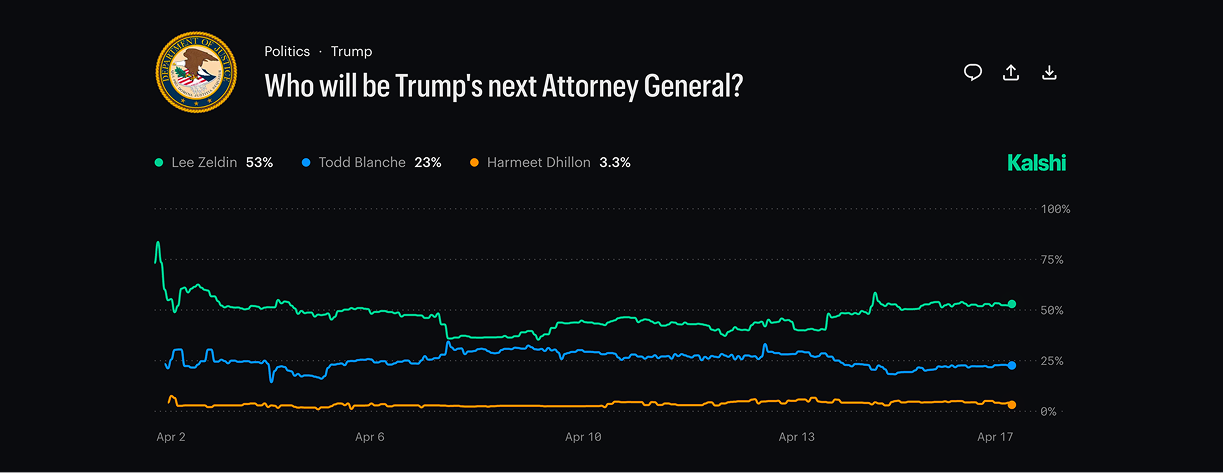
Prediction markets—most popular among them, Kalshi and Polymarket—have had a meteoric rise over the past couple years. But regulation and security, both internally and externally, haven't caught up to the many ways in which people can abuse prediction markets. Specifically, there's a lot of insider trading happening.
But as the market settles down and regulators adapt, there's going to be a torrent of audits. These might be self-initiated audits by Kalshi and Polymarket, and/or by federal + state governments. It's already starting—Kathy Hochul signed an executive order banning NY government employees from insider trading this month, and the CFTC is slowly waking up.
Auditors need something like Socratix. They'll need to find and flag accounts and trades that seem fraudulent, just like gambling providers are required to. These could be insider trades, ID theft, or underage users.
Socratix can monitor trades as they happen in real-time, and highlight trades that follow suspicious patterns according to news context. Agents could compare trade volume to the most recent US offensive in Venezuela, reporting trades like the $400,000 one on Maduro's capture to customers.
If Kalshi/Polymarket buy in, MCP servers would also allow Socratix agents to instantly block these accounts, automating ToS and legal compliance.
Preventing data breaches for telehealth companies
Telehealth companies—which provide medical care online—are susceptible to huge data breaches of their patients' private health information. A few weeks ago, Hims and Hers Health had a huge data leak of customer names, support tickets, and medications. Two employees fell victim to phishing emails, giving the hacking group ShinyHunters their Okta SSO login details, which they then used to make bulk downloads of customer service records in ZenDesk. ShinyHunters held this data for ransom.
This leak exposes a broader issue in telehealth. These companies are mostly founded by techies, not medical security experts. They're using private health data and are subject to HIPAA regulation, but are unprepared to set up OpSec to keep it safe. It is unprecedented that private healthcare data would be on ZenDesk, but it was, and it was taken advantage of. Similar attacks will happen again.
Socratix can help. Again, with access to ZenDesk and other SaaS user sessions at these telehealth companies, Socratix's agents can flag accounts that take fraudulent actions, like bulk downloads. Another solution is just a smarter, LLM-based email filter, that detects and blocks phishing emails better than a simple keyword search.
Telehealth companies could stop data breaches with Socratix.