TL;DR
Data centers pay out the nose for energy, but they could save on those costs by changing when they use power. Tapestry can help them predict when energy will be most expensive, saving customers money and unlocking a new revenue stream.
A new customer class for Tapestry: Data Centers
The problem facing data centers
Data centers spend 40% of their operating costs on energy. In the US, 30-70% of these costs go toward Coincident Peak (CP) pricing.
Utilities need enough energy capacity to meet the highest load on the grid, not the average, so they have to build power plants that sit idle most of the year. To recoup some of this enormous cost, they charge large power users (like data centers) huge fees depending on how much power they use during the Coincident Peak—the hourlong period with the highest peak load in a month—a few times each year. This is CP pricing.
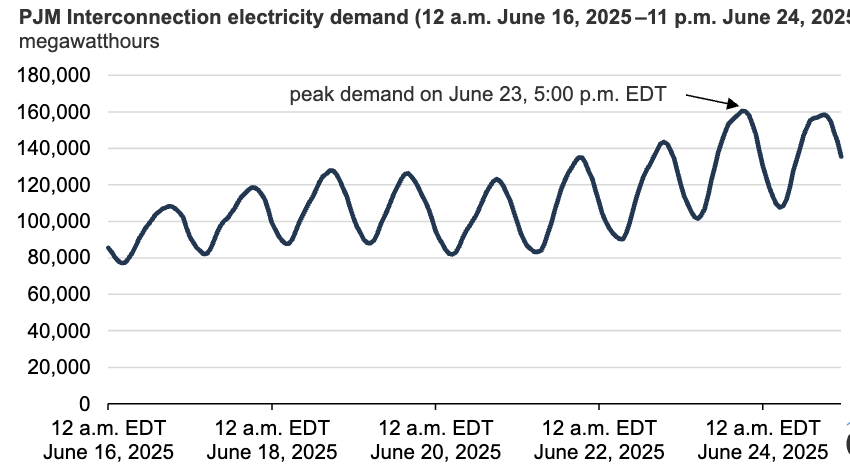
Every major US energy market, whether it's regulated or deregulated, uses CP pricing.
In deregulated markets, grid operators charge utilities for CP costs, which they pass onto end users. PJM uses 5CP, meaning that it charges utilities for their usage during the five hours with the highest energy usage each summer. Utilities like AEP and Dominion pass these costs directly onto customers. CP pricing also affects end users in CAISO, ERCOT, ISO-NE, NYISO, and more.
It's the same story in regulated markets. Duke Energy, covering parts of the Midwest and the South, uses 1CP pricing, where large power users pay extra for their usage during the single peak every year. Wherever they are, data centers' huge energy bills depend on how much power they pull from the grid during a few hours each year.

But users don't know for sure when these peaks happen until the end of the year, when they get their electric bills in the mail. Predicting peaks ahead of time can save them a ton of money. Data centers are load-flexible, meaning they can easily change when they use energy. So, if they predict the right peaks and move power usage away from those times, they can save on power while keeping GPUs running and customers happy.
Big power users have been doing this for a while. For a long time, peaks came at around the same times every year, during the afternoons in hot summer months. Users could rely on rules of thumb and intuition to avoid peaks. But as the grid increases in complexity, and renewables and batteries are tacked on, it's becoming increasingly difficult for them to make accurate predictions.
Current solutions, & when they fail
There are many companies out there trying to solve this problem, but their solutions are low-quality and unreliable.
Tech companies with a grid/utilities focus sell their peak predictions to power users. They all use similar ML models to make these predictions, and include GridStatus, CPower, Enel, NRG, and ndustrial.io.
Their models rely on basic, incomplete data. Since there are at most 12 peaks a year, and coincident peak pricing isn't that old, prediction models are trained on just a few data points. They also don't have up-to-date knowledge of every node in the grid. These models are therefore brittle. As a result, companies give customers a ranked list of time blocks that could be peaks, and customers have to draw less power at many of these blocks to avoid the actual peaks. Solar, wind, and batteries also add new complications, breaking these brittle models.
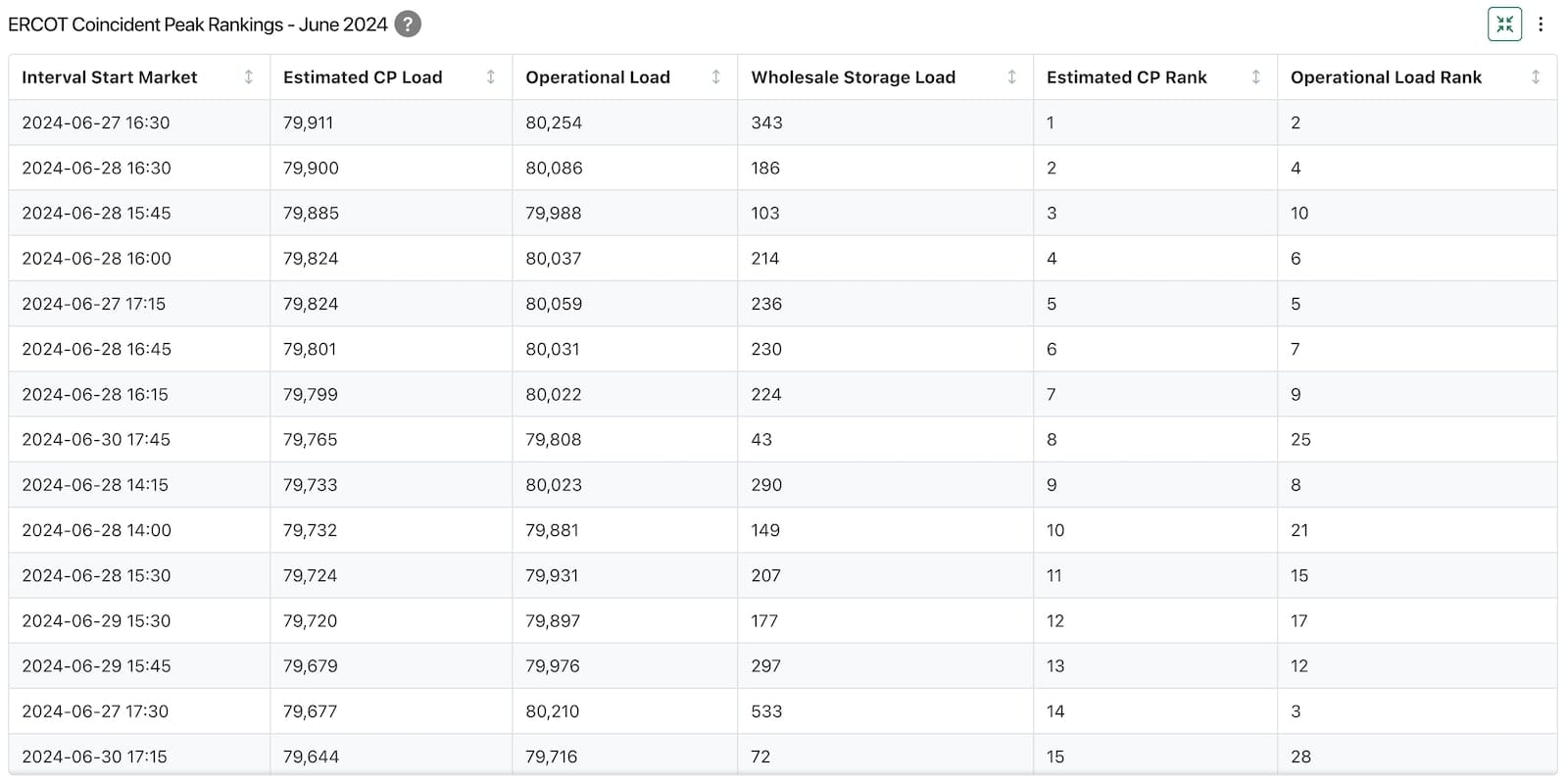
A bigger problem with current solutions is that they suffer from the whack-a-mole problem. Since companies all use similar models, they come up with overlapping lists of possible peaks. But if many large power users curtail at these potential peaks, they'll no longer be peaks and the real peaks will occur at unexpected times. Basic ML models aren't equipped to deal with this complexity, and so their customers fail to avoid peaks and get hit with huge demand charges.
Tapestry's solution
Tapestry has better data on the grid and more robust models than current providers. You can use this to predict peaks more accurately, helping data centers save boatloads on power costs.
Tapestry knows about everything that affects grid load in a utility's territory, positively and negatively, from residential and commercial use to batteries and pumped hydropower. Use these as parameters for your model, and train it on past load & peak data. This model will be less brittle and predict peaks better than current solutions can.
Data centers could buy these predictions from Tapestry in a couple different ways. You could make a dashboard to show peak predictions and recommendations for curtailment, like a GridAware for energy consumers. You could also build API endpoints that plug into data centers' energy management systems, saving them power without human intervention.
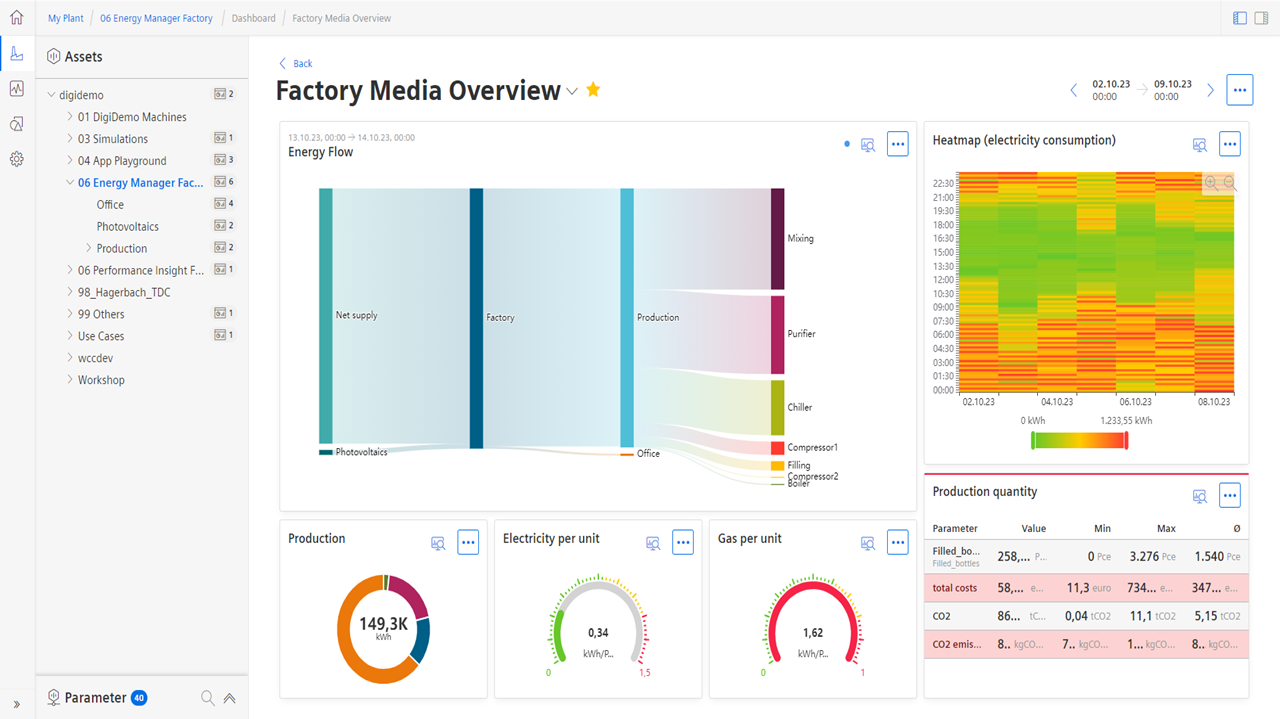
Data centers pay too much for energy, and while they could save by cutting back their power usage during peak hours, they don't know when to do it. With its birds-eye view of the grid, Tapestry could fix this problem, capturing a quickly expanding market.